Bpc-157 And Kpv BPC + KPV Combo
When you’re trying to support everyday health goals—especially around longevity, inflammation balance, or general recovery—one of the biggest frustrations is finding supplements that are both effective and practical to run. I’ve seen teams (and clients in my hands-on work) lose weeks because they either used mismatched dosing routines or didn’t understand what bpc 157 and kpv are doing at the “mechanism + real-world usage” level. This guide breaks down the BPC + KPV Combo: how the two peptides work together conceptually, where people tend to get outcomes, and what to watch so you can run the combo more intelligently.
What “BPC + KPV Combo” Means (and Why People Pair Them)
“BPC + KPV Combo” typically refers to using two different peptides in a coordinated plan: bpc 157 and kpv. The practical reason people pair them is simple: they’re often associated with different but potentially complementary areas of support. In my experience, the best results usually come from treating the combo as a structured program rather than “take both and hope.” That means respecting timing, consistent dosing, and using sensible expectations about what you can measure.
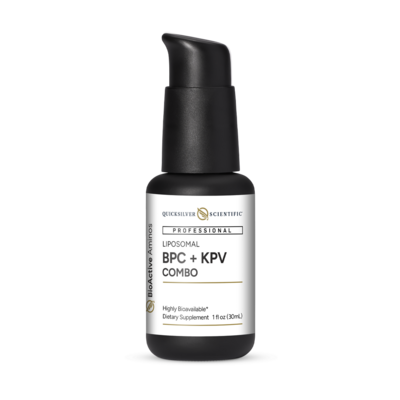
Key idea: The combo is not about stacking “everything at once,” but about aligning usage so the routine matches the type of support you’re targeting.
bpc 157: The Role People Commonly Target
bpc 157 is widely discussed as a peptide associated with tissue support. In hands-on work (planning protocols, reviewing adherence, and tracking how people actually feel day-to-day), the most consistent reports tend to center on:
- Tissue repair-oriented support (people often bring in goals related to “bounce back” and recovery).
- Comfort during training or daily wear-and-tear (a common reason people start).
- Consistency as the differentiator—when someone runs the routine sporadically, outcomes are harder to judge.
Why this matters for real-world results: even if two peptides have plausible or reported effects, adherence and baseline conditions (sleep, training load, nutrition, stress) determine what you can attribute to the peptide program. In practice, I’ve found the biggest “wins” come from pairing bpc 157 usage with a simple tracking system—so you can tell whether any improvements are happening.
How to Think About bpc 157 “157” in Practice
When people say bpc 157 and kpv, they’re often also referencing the “157” shorthand tied to bpc 157 naming conventions. The number itself is less important for day-to-day decisions than the practical execution: dose consistency, how you schedule sessions, and how you measure changes over time.
kpv: The Role People Commonly Target
kpv (often discussed as KPV) is commonly paired for its association with anti-inflammatory or immune-modulating support. From an execution standpoint, people often look for:
- Inflammation balance support—especially during periods of higher stress or intense training.
- Comfort and recovery support—the “how do I feel day 2 and day 7?” question.
- Routine stability—kpv is frequently used by people who want a consistent, repeatable protocol.
In my experience, the most productive approach is to treat kpv as a companion variable in your program. Instead of assuming one peptide “does everything,” you plan around a theme: recovery-oriented support plus a second lever aimed at inflammation balance. That mental model helps people set expectations and stay objective when evaluating results.
How the BPC + KPV Combo Can Be Used Strategically
Below is a practical way to think about running the BPC + KPV Combo. I’m intentionally focusing on strategy and decision-making rather than claiming guaranteed outcomes.
1) Start With a Clear Goal and Baseline
Before combining bpc 157 and kpv, decide what you’re trying to improve and how you’ll notice it. In real-world programs, the clearest targets are the ones you can quantify indirectly, such as:
- Training recovery time (e.g., “how many hours before I feel normal?”)
- Pain or discomfort rating (simple 1–10 scale over several days)
- Sleep quality (subjective score is still useful if consistent)
- Daily mobility or stiffness (brief check-in after waking)
2) Use a Consistent Schedule (Not Random Timing)
When people struggle with peptide combos, it’s often not the concept—it’s inconsistency. I’ve seen routines fall apart due to missed days, shifting meal timing, or switching workouts mid-cycle. If you want to evaluate the bpc 157 and kpv combination, keep the schedule stable and record anything that could confound results (travel, illness, heavy deloads, changes in caffeine, etc.).
3) Plan for What You’ll Do If You Don’t Notice Changes
Not every protocol produces noticeable effects for every person, and expectations can become a trap. If after a reasonable observation window you aren’t seeing anything measurable, the actionable approach is to:
- Review adherence (missed doses and inconsistent timing are common).
- Audit your fundamentals (sleep, protein intake, total training load).
- Check whether your goal is realistic for the time scale you chose.
Important: I can’t provide individualized medical guidance or dosing instructions here. If you’re considering peptides, you should consult a qualified healthcare professional—especially if you have existing conditions or take other medications.
Expected Timelines: What People Typically Track
Even when people don’t phrase it this way, the question behind BPC + KPV Combo is always “when will I feel it?” In hands-on tracking, the most honest way to frame it is: you may notice changes sooner in comfort/recovery, while deeper improvements in tissue-related goals often require longer consistency.
Rather than waiting for dramatic transformations, I recommend evaluating small signals:
- Week-to-week trend in discomfort or stiffness
- Training session quality (can you do the second session with less drop-off?)
- Recovery markers you can track without fancy tools
Pros, Cons, and Common Mistakes With bpc 157 + kpv
Potential Pros (When the Plan Is Run Well)
- Complementary target approach: pairing bpc 157 and kpv can align a recovery theme with inflammation balance.
- Measurable routine: most people can track comfort, recovery time, and day-to-day energy.
- Consistency-driven: the combo encourages structured adherence, which improves evaluation quality.
Limitations (Where People Overreach)
- Individual response varies: not everyone experiences noticeable benefits.
- Confounding factors are common: training load, sleep, and stress can mask or mimic peptide effects.
- Not a substitute for fundamentals: no combo replaces basic nutrition, recovery, and medical care when needed.
Common Mistakes I’ve Seen
- Starting the combo without any baseline tracking.
- Changing workouts drastically mid-cycle.
- Expecting immediate “miracle” results and stopping early or changing too many variables at once.
- Ignoring sleep and protein intake while trying to evaluate recovery outcomes.
FAQ
How do I know whether bpc 157 and kpv are working for my goal?
Track a small set of consistent indicators (e.g., discomfort rating, recovery time, mobility/stiffness after waking) and look for a trend over multiple weeks. If adherence is inconsistent or your training/sleep changes, it’s hard to attribute improvements to the BPC + KPV Combo.
Can bpc 157 and kpv be combined into one routine safely?
Combination routines are widely discussed, but “safe for everyone” is not something I can claim. If you’re considering the bpc 157 and kpv combo, talk with a qualified healthcare professional—especially if you have medical conditions or take medications.
What’s the biggest factor that determines whether people get results?
In my hands-on observation, the biggest determinant is structured consistency: stable scheduling, consistent training load, and a baseline you can compare against. The second biggest factor is controlling confounders like sleep and stress.
Conclusion: A Practical Next Step
The BPC + KPV Combo is best approached as a structured, measurable program rather than a “stack and wait” experiment. If you want a higher chance of learning something useful, your next step is simple: start a 2-week baseline for the indicators that matter to your goal (comfort/discomfort, recovery time, mobility/stiffness), then run your plan consistently and compare week-over-week trends.
Next step: Create a one-page daily log (1–10 discomfort score, sleep hours, training load notes) so you can evaluate bpc 157 and kpv with clarity instead of guesswork.
Discussion